
What is Occupational Therapy?
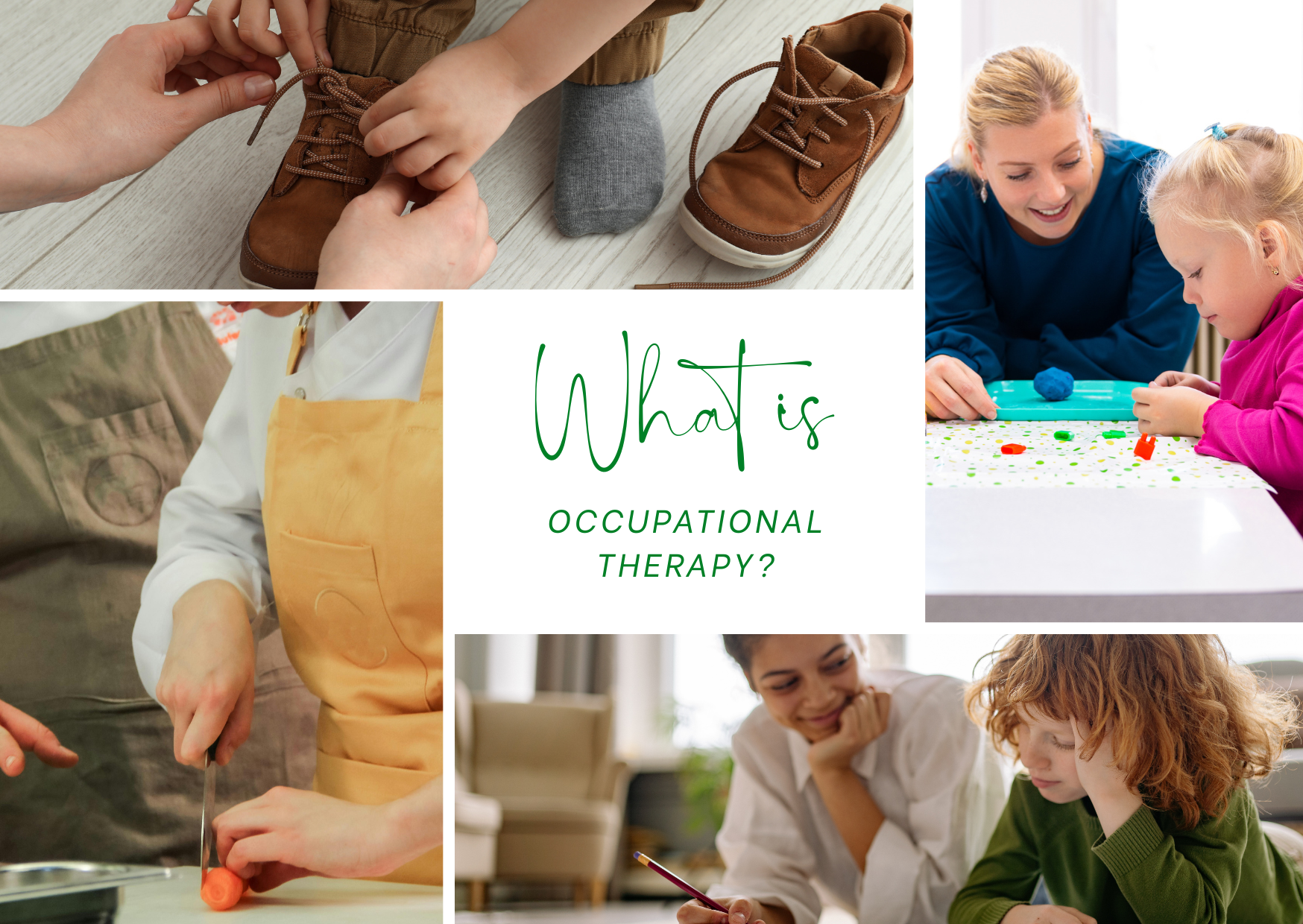
Occupational Therapy (OT) is all about helping you live your life to the fullest! We look at your unique strengths and how you do the important, everyday activities (your "occupations") that matter to you. We also check out how your surroundings—like your physical space, social life, and sensory experiences—can either help or challenge your ability to participate.
OT can involve fun activities and skill-building that starts with what you can already do and helps you grow your independence and abilities.
What can we focus on in our sessions?
We can work together on many areas, including:
Self-Care
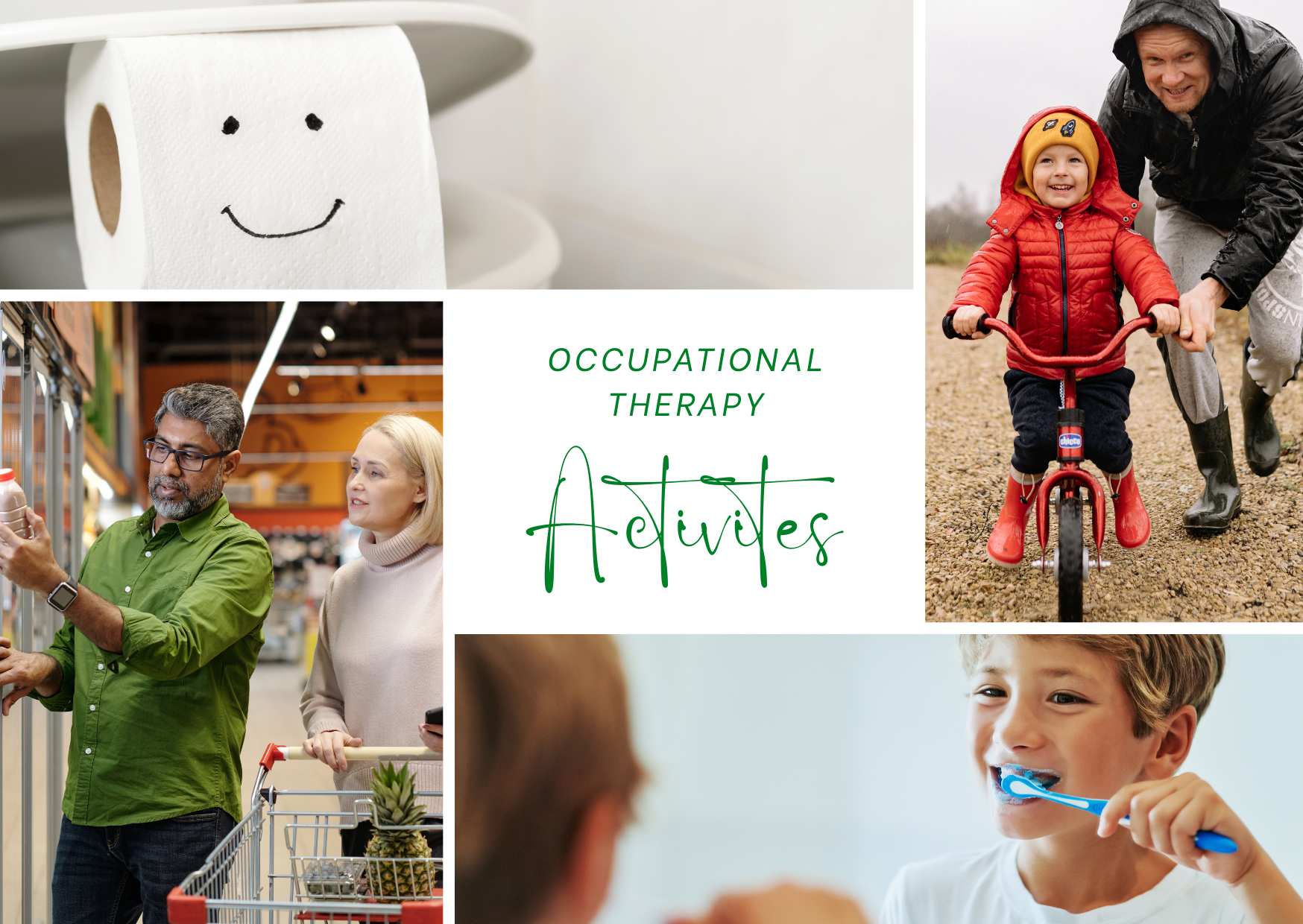
Getting Dressed: Making it easier to plan outfits, master tricky fasteners (like buttons or shoelaces), and simplify the morning routine.
Toileting: Developing routines, understanding body signals, and finding supportive equipment.
Sleep: Establishing helpful morning and evening routines, addressing difficulties with falling asleep or staying asleep, and suggesting helpful equipment.
Mealtimes: Building cooking skills, learning to use cutlery comfortably, and finding the best seating and environment for eating.
Personal Hygiene: Making tasks like showering, brushing teeth, and getting a haircut less stressful.
Sensory Smarts
Understanding You: Helping you figure out your personal sensory preferences—what sensations feel good, and which ones feel uncomfortable or overwhelming.
Using Supports: Learning how to use simple tools and strategies so you can successfully do important things, even with your sensory needs (like going to a concert, grocery shopping, learning in a classroom, or when you're feeling stressed).
Assessments: Completing Sensory Profiling to help with self-awareness or to support a diagnostic process.
Feelings and Friends (Emotional Regulation and Social Skills)
Emotional Insight: Learning to better understand your feelings and how you react to social situations.
Play Skills: Developing skills for play, such as taking turns and engaging in imaginative play.
Social Interactions: Figuring out how to join in a game or conversation, and understanding what different emotions and body language mean.
Moving Your Body (Fine and Gross Motor Skills)
Hand Skills (Fine Motor): Practicing how to use your hands for daily tasks, like cutting food, zipping up a jacket, writing a note, or using a computer for school or work.
Body Movement (Gross Motor): Building strength and coordination in your arms, legs, and core so you can participate in activities like school, work, riding a bike, or playing sports with friends.
Executive Functioning (Life Planning and Thinking Skills)
Learning and Processing: Making sense of new information and understanding how you learn best.
Focus and Thought: Discovering ways to boost your attention and thinking skills.
Planning and Memory: Supporting your ability to remember steps and put things in the right order.
Organisation: Getting your personal space and items in order so you have what you need when you need it.
Minimum commitment is 6-10 hours, which includes:
1hr x Initial session + goal setting
4 - 6hrs x sessions (1-1.5hrs/ session)
1 x hr NDIS/end of service report
Time includes a session summary provided to clients
Client support activities to be factored into agreed times
Ongoing, regular sessions are also available, as well as OT Supervision, and Sensory Profile Assessments (SPA - 6 hours). SPAs include:
2 hrs x Initial session/assessment administration
1 hr x observation (travel additional)
2 hrs x scoring and report writing
1 hr x feedback session or letter recommending equipment (as required)
Unfortunately we are unable to offer Positive Behaviour Support, Equipment Prescription - wheelchairs, Functional Capacity Assessments, or Key Worker Services at this time.
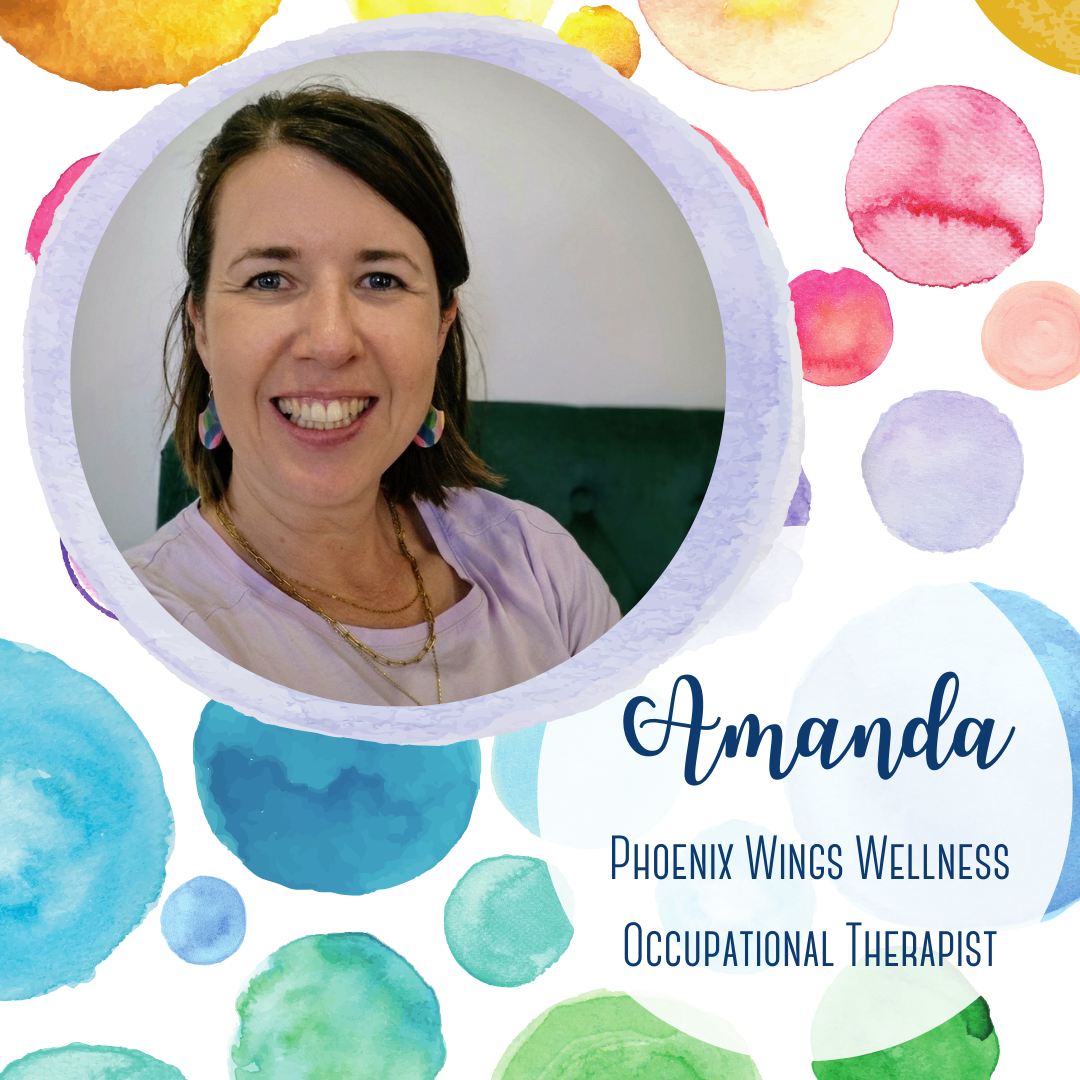
To book an initial session with our Occupational Therapist Amanda, please fill out the form below, and our admin will be in contact. Amanda is available for sessions through NDIS, private pay, or organisation funding.